×

As a leading digital marketing company in Kerala, we bring over 20 years of proven expertise in helping businesses and organizations increase their ROI through effective marketing strategies. Over the years, we have built a strong legacy of delivering consistent results across industries. Improving the conversions through the website is one of the key aspects of our digital strategies and is a proven method over the years of our services.
When we take up digital marketing for any client, we start with analyzing their website. A detailed checklist of around 100 critical checkpoints is followed, with each aspect carefully reviewed through a thorough manual process. In addition, selected automation tools are used to support the audit, helping improve efficiency and find out deeper insights.
While redesigning a website, One of the key factors that we look into is the website structure and navigation path. A properly structured website will help in several ways:
-It will be easier for your readers to navigate through the menu and sections of your website and reach the page they are looking for. More readers reaching your intended page means more conversions for you.
-A properly structured website has better chances of ranking on search engines. Over a period of time, smart search engines like Google can understand the hierarchy of your content and use that information to choose your more appropriate pages to show on search results based on the additional knowledge it acquired from the content hierarchy.
-Segregating different types of content into different sections will help in building the Schema in a more effective manner. For example, if you group all reviews into a category, you can build the Review schema for all pages in that category. If you have another category for Articles, the “Article” schema can be used for the same.
Restructuring a website is a major event in the life of a website, comparable to major heart surgery for a human. A small mistake can cause catastrophic losses to your ranking and traffic. We have done restructuring for several high traffic websites in the past and have learnt a lot from our prior experience. Here is a collection of our tips to handle the website restructuring:
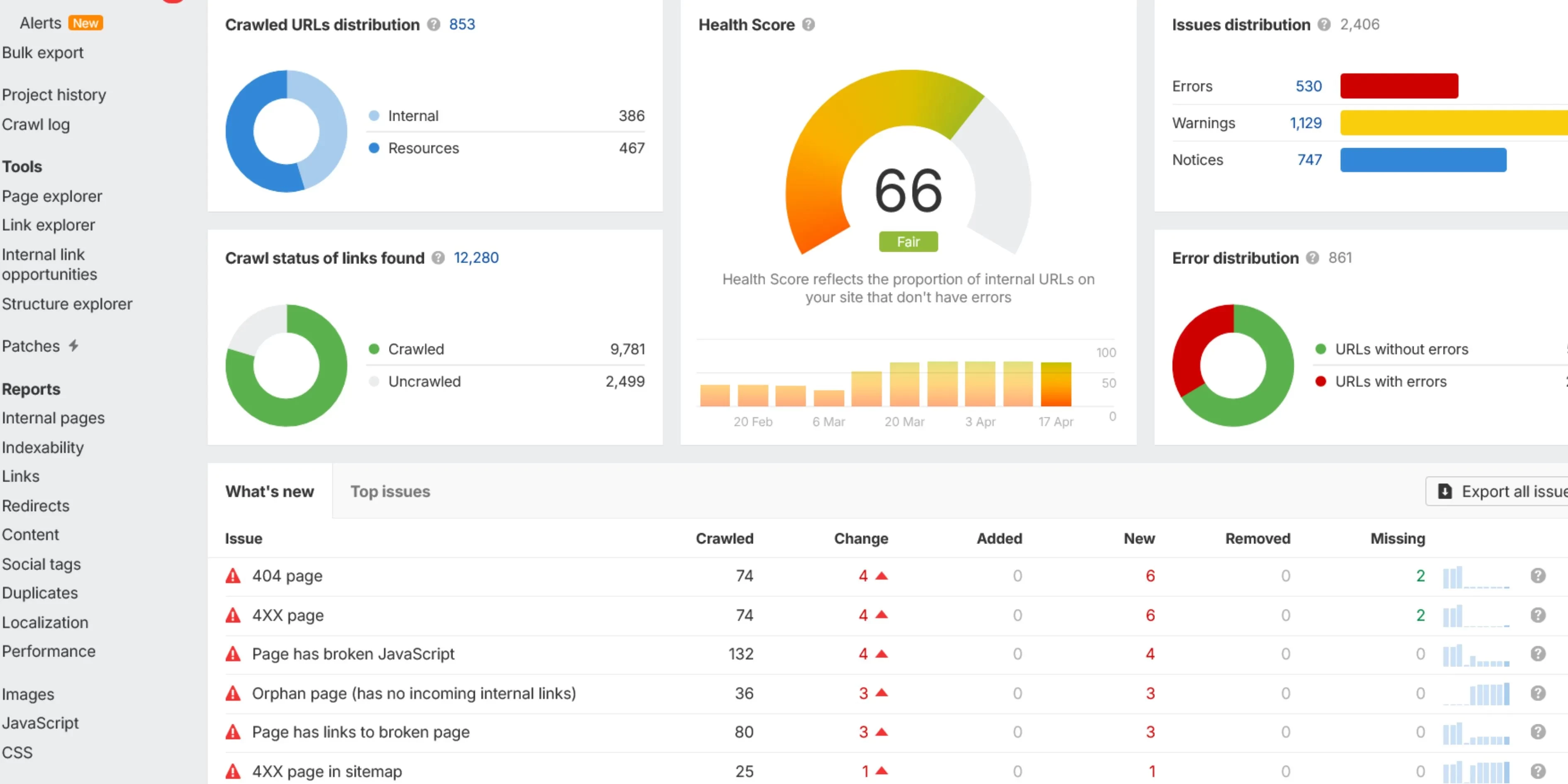
Website restructuring is one of the major activities on any website. Why not use this opportunity to fix other problems as well? Do a complete audit of your website and find all other issues. Use automated as well as manual auditing tools to find issues. ahrefs.com is an excellent tool to get started with your website audit. Take the help of an SEO consultant, if needed. By combining the overall fixing of issues with the restructuring can help in reducing a lot of redundant efforts.
There are a few ways you can implement the restructuring:
-Do all changes together and choose a day to switch over to the new structure (highest risk but most practical)
-Change pages one by one to the new structure, thus measuring the impact through a gradual process (medium risk and ideal for small sites)
-Keep old pages and URLs as it is but build new pages with a new structure and eventually make the old pages fade away from the visibility (lowest risk, highest efforts)
We have implemented all three strategies for various clients, and each has proven effective in different scenarios. For one of our large banking clients with a high volume of organic traffic, we chose a slow migration process to minimize risk.
We adopted a mixed approach. For low traffic sections, we switched to the new structure all at once, while high traffic pages were retained in their existing form for years until they gradually lost traffic to newly created pages.
For many other pages, we implemented a system that allowed us to manually change URLs and move them into the new content structure. The entire process went very well, resulting in a significant improvement in search engine rankings and overall user experience after the migration was completed.
This is something we learned through bitter experience. We were working on a website migration for one of our clients who runs a popular technology portal. Other websites used to copy articles from this site, but the client was not too concerned, as search engines typically recognized our site as the original source and ranked it above the copycats.
However, after the website restructuring, Google did not immediately recognize the new site correctly, even though we followed all best practices. As a result, many of the copied content sites started ranking above our original articles in search results for a short period. The issue was eventually resolved when Google re indexed all the pages.
We faced additional challenges when filing DMCA complaints for the copied content. Since our URLs had changed, many of our requests were denied because reviewers were not convinced that our content was the original. Due to the URL changes, several of our pages were treated as new content, while the copied versions appeared older.
Therefore, before proceeding with website restructuring, it is advisable to scan for copied content and file DMCA complaints with major search engines.
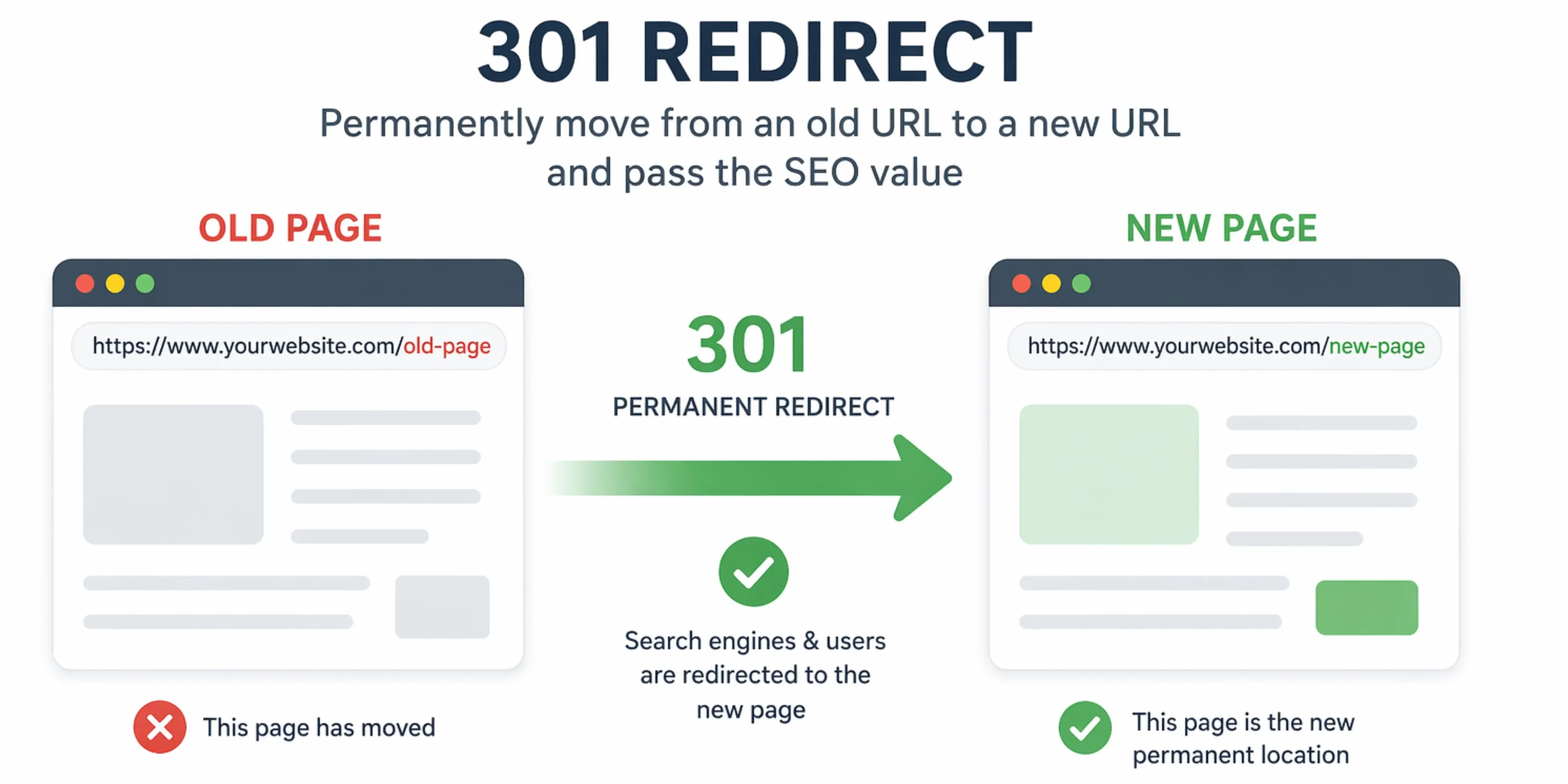
When the site structure changes, the URLs also change. Since the search engine ranking is tied to the URLs, when the URLs change, the traffic ranking also gets affected. By properly implementing 301-redirect from old pages to the new pages, you can convey the message to search engines that the ranking of the old URLs needs to be transferred to the corresponding new URLs. This is the most important task involved in website restructuring.
Open Google Search Console and look for the most linked pages on your website. See if you can retain the most linked URLs when you restructure the website if they still fit well in the new plan. Retaining the most linked URLs will be the lowest risk option. But if those URLs do not fit well in the new plan, let’s move on and change them. But maintain a list of those linked URLs to ensure they all get redirected to the corresponding new URLs using 301-redirect when your new site goes live.
If you have been efficiently managing your content and links, you would have created a lot of internal links between your pages. They are all going to break when you change the structure, resulting in poor user experience and lowering the search engine ranking. Use a broken link testing tool and scan the site for broken links. Also, do a manual audit and look for how the pages are cross-linked. In many cases, you can do a better job than an automated tool. While a tool can check the technical aspect of links, you can do a better job of making a more meaningful internal linking.
You have made the decision to restructure your website. When you are making changes for the long term, come up with the best plan. Restructuring is something you do once in the lifetime of a website, not more than that. So, do it right. Conduct proper brainstorming with your digital team. If you do not have experts who have done this in the past, take help from a consultant or professionals. SpiderWorks has extensive experience in website restructuring, so feel free to contact us if you need any help.
Even after your new website goes live, you will have several reasons to refer to the old structure. So, keep a copy of your old website ready for reference. In most cases, we maintain a backup of the previous version as a sub-domain (something like http://backup.primarydomain.com). Remember to use robots.txt or no-index meta tags to block this backup from getting indexed on Google, causing other issues like duplicate content. I would recommend you keep this old copy until your new website’s fully functional in all aspects and all old pages are completely removed from search engines.
You understand the risk and consequences of this major activity. Many things can go wrong when your new site goes live. So, make sure you have enough time in hand to dedicate for this process. Don’t replace your old website when you are involved in another major project since unexpected things can happen and you may need to dedicate your time to resolve the issues. So, choose a period when you have enough time to focus on this makeover.
When your restructured website goes live, there could be fluctuation in ranking and traffic for many days. It may take several days or weeks before it settles and traffic returns to normal. If your business depends a lot on the organic traffic from your website, it is better to avoid a busy season. For example, if your website is a travel portal, your most busy season could be November – January since that’s the time most people plan their travel. Look at your traffic pattern and figure out which month is the best time to lose some business from organic traffic.
Once your new site goes live, make sure you have submitted the new sitemap files to search engines. Even though the modern search engines are smart enough to crawl the websites without the help of sitemaps, it is a good idea to help them find your new URLs quickly. In case of websites with dynamic pages like articles or product listing, it is relatively easier to generate dynamic sitemaps based on the content from the database. In case of websites with static pages, you will have to create static sitemaps manually or with the help of some sitemap generation tools. Also, submitting sitemaps will help you closely monitor how many of your new URLs are already indexed on Google.
Did you find a better hosting provider but didn’t want to switch-over yet since you just didn’t find the right time to do so? The time has come. While your old website continues to run on the old server, you can buy the new hosting plan and upload your new site to the new server. You may use a temporary domain or a sub-domain and evaluate the performance of your website on the new server. Once you complete the testing, you can switch your domain to the new server. If you have paid up for a longer-term on the old server, you may retain your old website on the old server by pointing to a sub-domain or a temporary domain but remember to block it from search engines.
If your website is pretty old, you may have acquired a lot of organic backlinks from other websites. If you have done any sort of link building activities, your website would have received links from those activities as well. While 301-redirects can help in diverting the ranking of old URLs to the new URLs, that is not a fool-proof mechanism. You may lose ranking over a period of time unless you get backlinks to the new URLs. It will be a lot easier to get your old links changed to the new URLs than waiting for organic backlinks to come up for your new pages. Try contacting the webmasters of the sites that are linking to your old URLs. Explain to them what you have done and request them to change the link from the old URL to your corresponding new pages.
Restructuring the pages and URLs on your website is one of the biggest risk activities for any website. In addition to taking care of the above recommendations, you can take a look at this excellent resource from Google. If you are not an expert in handling this kind of activity from an SEO perspective, it is better to hire an SEO consultant or a digital marketing agency to execute this. If you are looking for a reliable digital marketing agency in Kerala, we are here to help. Get in touch with us today to get started with your migration to a new face for your website.
